Ancient Beginnings
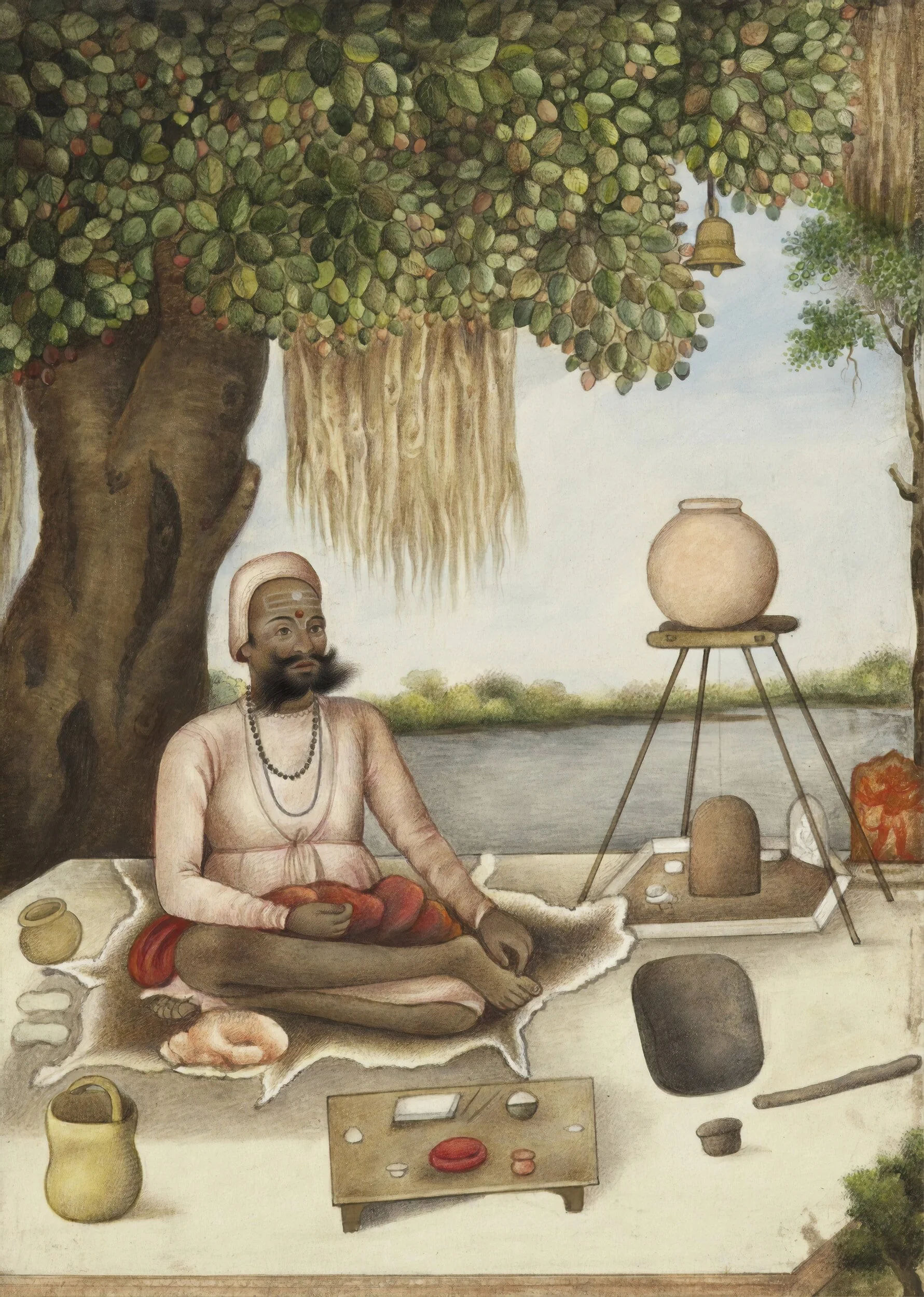
Spices have been treasured for thousands of years. The use of spices dates back to ancient civilizations such as the Egyptians, Greeks, and Romans. Spices were valued not only for their ability to enhance the flavor of food but also for their medicinal and preservative properties.
The Spice Routes: The spice trade can be traced back to the Spice Routes, a network of ancient trading paths that connected the East and West. Spices like cinnamon, pepper, cardamom, and cloves were highly sought after in Europe and the Middle East. These routes were responsible for the exchange of spices, cultures, and ideas between different regions.
Exploration and Discovery: During the Age of Exploration in the 15th and 16th centuries, European explorers such as Christopher Columbus, Vasco da Gama, and Ferdinand Magellan embarked on voyages to find new trade routes to the spice-producing regions of Asia. Their discoveries revolutionized the spice trade and global commerce.
Colonialism and Empires: The spice trade played a significant role in the era of colonialism. European powers established colonies in spice-producing regions like India, Indonesia, and the Caribbean to control the production and trade of valuable spices.
Spices as Status Symbols: Spices were once considered status symbols. They were so valuable that they were often locked away in cabinets or displayed as a sign of affluence. Their scarcity and high cost made them a symbol of luxury.
Culinary Revolution: The introduction of spices to Europe transformed culinary traditions. They added depth and complexity to European cuisine, sparking a culinary revolution that led to the development of new dishes and flavor profiles.
Modern Spice Trade: Today, the spice trade is a global industry. Spices are sourced from various regions worldwide, and the demand for authentic and high-quality spices is growing. Consumers are increasingly interested in the origins of their food, making locally sourced and sustainably produced spices a significant market trend.
The very rich history of spice begins with a trip around the world, here is a great video about the geography of spice and where they come from.




History of Jerk Seasoning
Jerk sauce and seasoning have a rich history rooted in the Caribbean, particularly Jamaica. Jerk is a style of cooking that involves marinating and grilling meat, usually pork or chicken, with a flavorful and spicy seasoning blend. The term "jerk" can refer to both the cooking method and the seasoning itself.
The exact origins of jerk are somewhat debated, but it's generally believed to have been developed by African slaves and indigenous people in Jamaica during the 17th century. The name "jerk" is thought to have been derived from the Spanish word "charqui," which means dried meat or jerked meat. This method of cooking and preserving meat was an adaptation of traditional African cooking techniques and was influenced by the indigenous people of the Caribbean.
Traditional jerk seasoning typically consists of a blend of spices and ingredients, which can vary from one recipe to another but often includes elements such as:
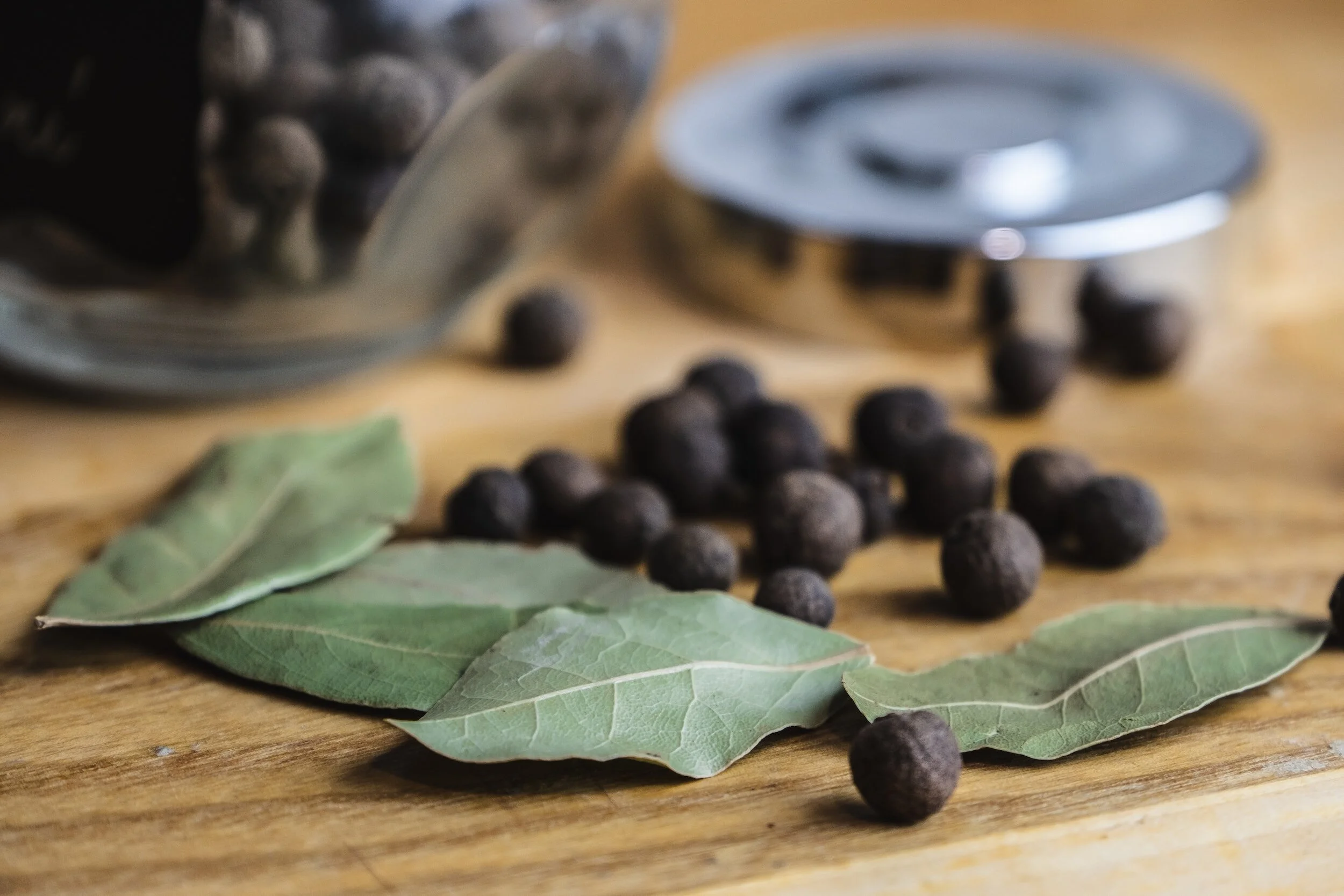
Allspice (pimento berries): Allspice is a key ingredient in jerk seasoning, providing a distinct flavor.
Scotch bonnet peppers: These fiery chili peppers contribute heat and flavor to jerk seasoning.
Thyme: Thyme is a common herb used in jerk recipes, adding a fragrant and earthy quality.
Garlic: Garlic is used for its pungent flavor and aroma.
Ginger: Ginger adds a spicy and slightly sweet note to the seasoning.
Cinnamon, nutmeg, and cloves: These spices are often included in jerk seasoning blends, imparting warm and sweet undertones.
Citrus juice, typically lime or orange: Citrus juice not only flavors the seasoning but also helps tenderize the meat.
Soy sauce or salt: These ingredients provide saltiness to balance the spice and acidity.
Green onions or scallions: These are often used for their mild onion flavor.
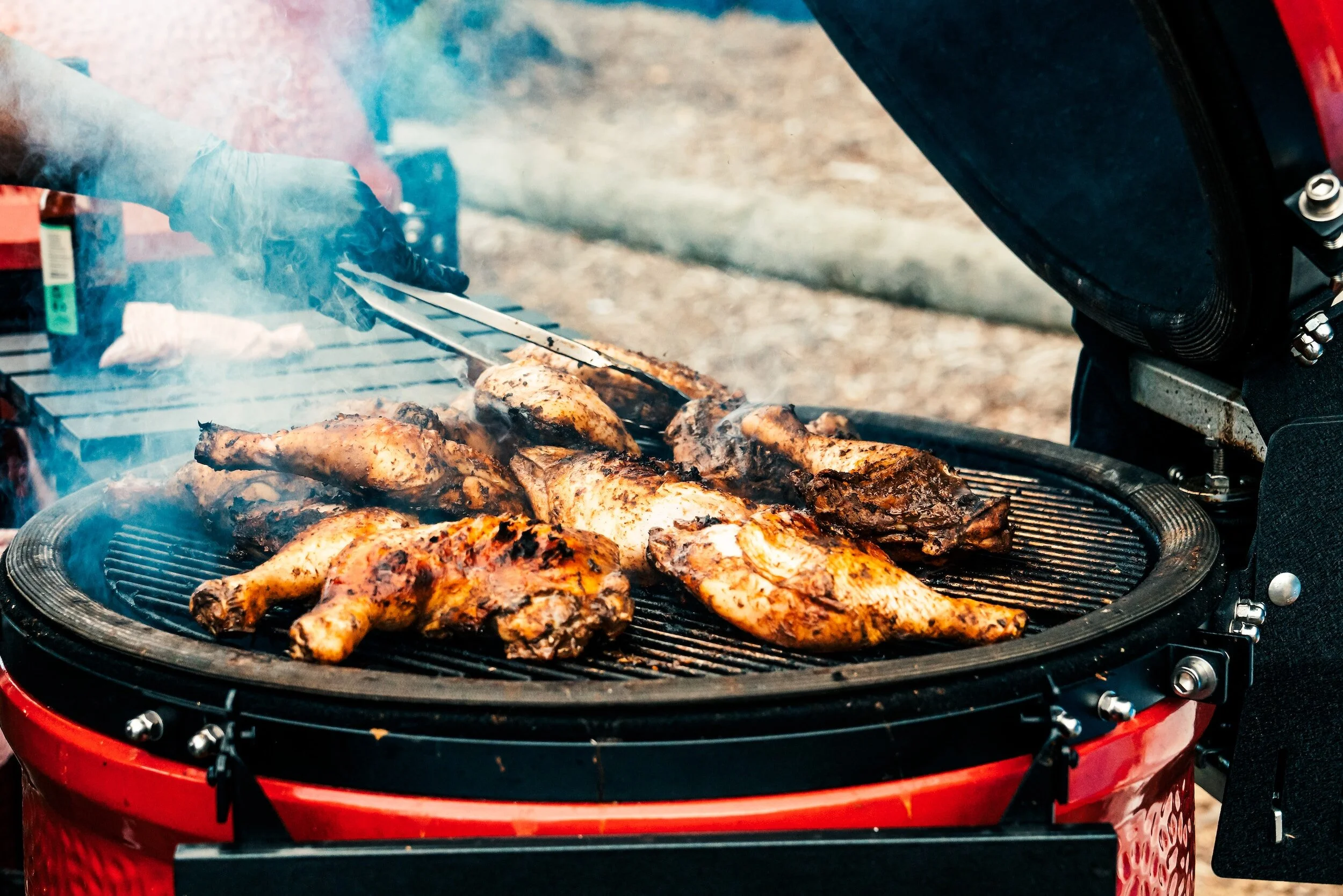
To prepare jerk dishes, the meat is marinated in the jerk seasoning, often for an extended period, to allow the flavors to penetrate the meat thoroughly. It is then cooked slowly over a wood charcoal or pimento wood fire, imparting a unique smoky flavor to the dish. In modern times, jerk seasoning is used for grilling, baking, or even pan-frying a variety of meats, including chicken, pork, beef, and seafood.
Jerk cuisine has become internationally popular, with many variations and adaptations of the traditional recipes. It's known for its bold, spicy, and complex flavor profile, making it a beloved culinary tradition in the Caribbean and around the world. You can find jerk seasoning and jerk-inspired dishes in many restaurants and supermarkets, allowing people to enjoy this flavorful cuisine without having to travel to the Caribbean.




History of Barbecue Sauce
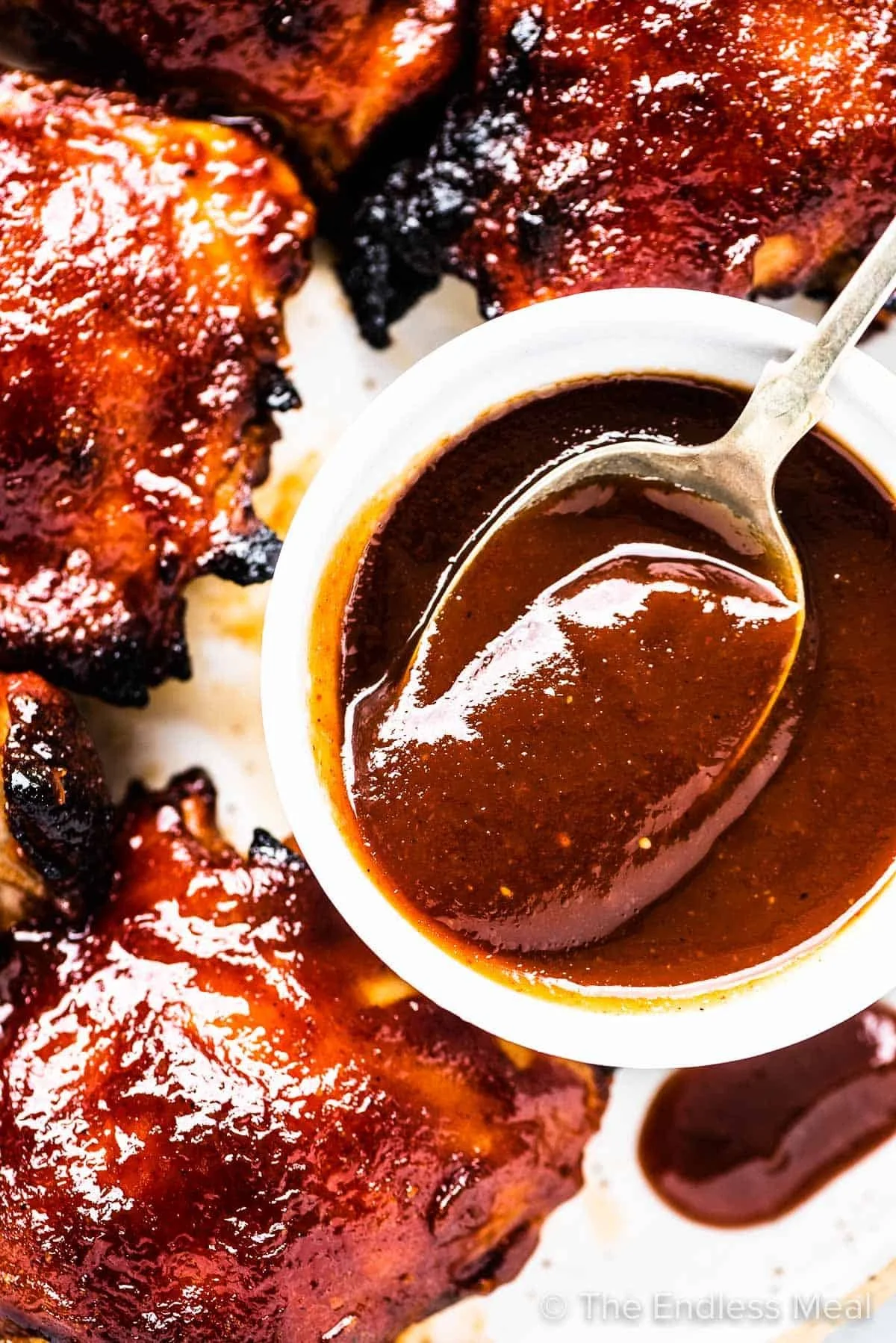
The history of barbecue sauce is quite diverse and reflects the evolution of barbecue itself. Barbecue sauce has a long and complex history, with regional variations and a rich culinary heritage. Here is an overview of the history of barbecue sauce:
Indigenous Roots: The roots of barbecue sauce can be traced back to indigenous people in the Americas who used various herbs, spices, and fruits to flavor their grilled and smoked meats. They often created simple, vinegar-based sauces or pastes for this purpose.
African Influence: The development of barbecue sauce in the United States was significantly influenced by African slaves, who brought their culinary traditions to the American South. African cooking techniques often involved using spicy and tangy seasonings, which found their way into early barbecue sauces.
Caribbean and Latin American Influences: In the Caribbean and Latin America, various styles of barbecue sauces had developed long before European colonists arrived. These sauces often featured local ingredients like peppers, citrus, and spices, which influenced the development of barbecue sauce in the Americas.
European Influence: European immigrants to the United States also contributed to the evolution of barbecue and its accompanying sauces. For example, German settlers in Texas introduced tomato-based barbecue sauce, which became popular in the region.
Regional Variations: The history of barbecue sauce is intimately tied to regional barbecue styles in the United States. Each region has its unique sauce traditions. Some well-known styles include:
Eastern Carolina: Known for its vinegar-based sauce with a strong tangy flavor, often with added red pepper flakes.
Western Carolina (Lexington or Piedmont Style): Similar to the Eastern style but with the addition of ketchup or tomato sauce.
Kansas City: Famous for its thick, sweet, and tomato-based sauces that incorporate molasses, brown sugar, and a mix of spices.
Texas: In Texas, you find a variety of sauces, including tomato-based sauces in the east and peppery, vinegar-based sauces in the west.
Alabama: White barbecue sauce is popular in northern Alabama, made with mayonnaise, vinegar, and spices.
Commercialization: In the 20th century, barbecue sauces began to be commercially produced and bottled, making them widely available for home use. Brands like Kraft, Heinz, and Sweet Baby Ray's became known for their barbecue sauces.
International Adaptations: Barbecue sauce has become a global phenomenon, with adaptations in various countries. For example, Korean barbecue sauce (such as gochujang-based sauces) and Chinese barbecue sauces are now popular in international cuisine.
Today, barbecue sauce continues to evolve and diversify. It can range from sweet and smoky to tangy and spicy, with countless variations in between. Barbecue sauce is a versatile condiment used not only for grilling but also as a dipping sauce, marinade, and flavor enhancer for a wide range of dishes. Its rich history reflects the cultural and culinary influences that have shaped it over the centuries.

Kansas City Barbecue
Texas Barbecue Sauce 
Korean Barbecue Sauce

East Carolina Mop Barbecue Sauce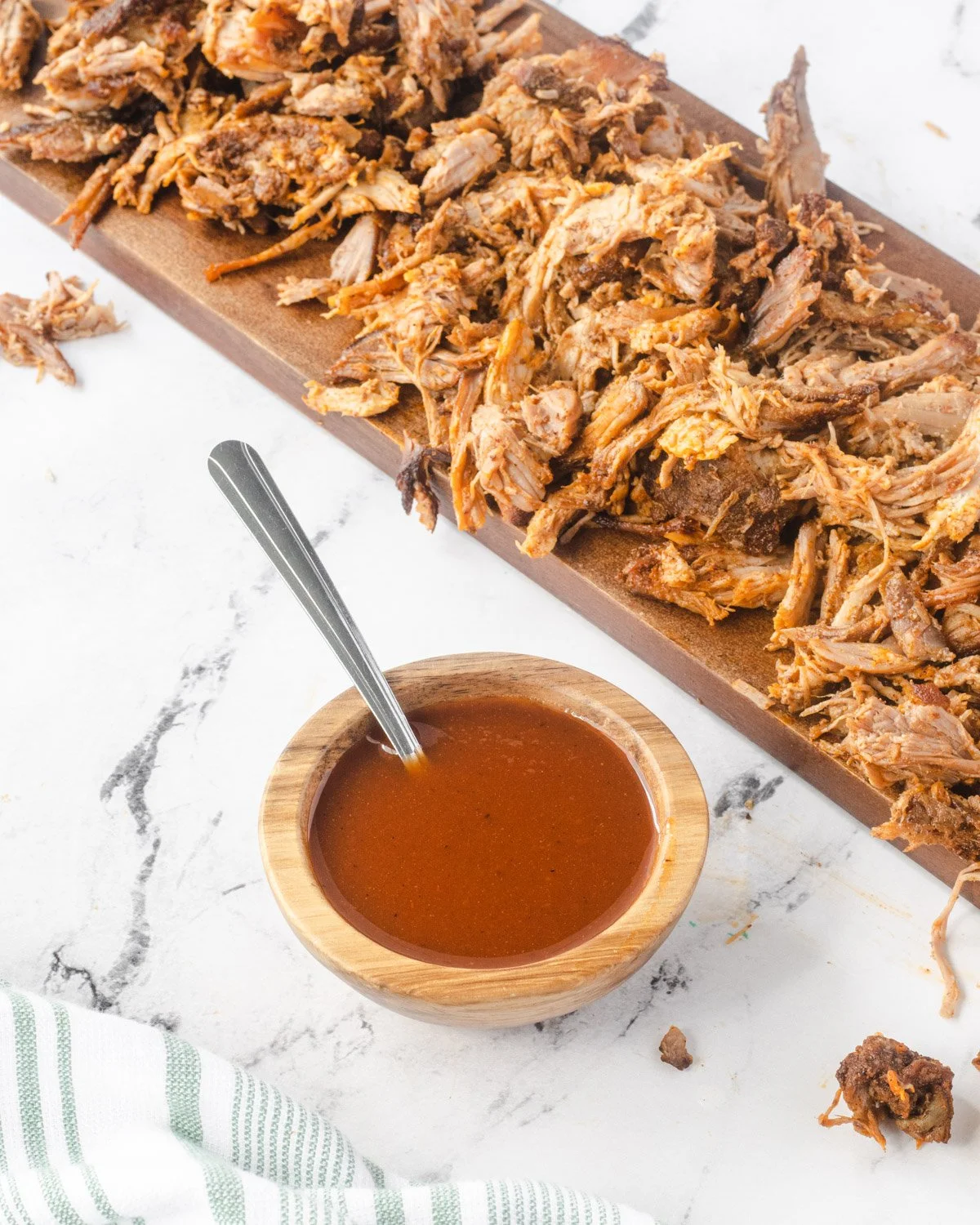
West Carolina Barbecue
Carolina Mustard Barbecue Sauce

Alabama White Barbecue Sauce